
An Integrative Diabetes Care Protocol for Clinicians
An Integrative Diabetes Care Protocol for Clinicians
An integrative diabetes care protocol is a clinician-delivered, multi-pillar, phenotype-driven workflow that combines therapeutic nutrition, targeted metabolic support, sleep and stress optimization, progressive activity, and continuous glucose monitoring (CGM) to restore metabolic function rather than just manage numbers. The five pillars work together: nutrition, supplements and diabetes-specific nutritional formulas (DSNFs), stress and sleep repair, progressive exercise, and CGM-guided feedback. Most patients need interventions sequenced over several months, with monitoring every 2 to 4 weeks at the start to catch fast shifts in insulin sensitivity.
- Therapeutic, blood-sugar-stabilizing nutrition
- Targeted metabolic support (supplements, DSNFs, micronutrient repletion)
- Stress and sleep optimization
- Progressive physical activity
- CGM and biofeedback-driven monitoring
Medication coordination with the prescribing clinician is non-negotiable. Carbohydrate restriction and structured exercise can drop insulin and sulfonylurea requirements within days, and unmanaged, that speed is exactly what causes hypoglycemia.
Key Takeaways
An integrative diabetes care protocol works because it pairs phenotype-driven interventions with frequent early monitoring, catching both metabolic wins and medication risks before they become problems.
| Point | Details |
|---|---|
| Phenotype first | Map insulin resistance vs. β-cell dysfunction before choosing nutrition and pharmacologic strategy. |
| Monitor early and often | Check in at 2 to 4 weeks, then 3, 6, and 12 months using HbA1c, insulin, lipids, and LFTs. |
| Coordinate every medication change | Contact the prescriber before major carbohydrate restriction or CGM initiation. |
| Use CGM as a teaching tool | Short 14-day windows build patient engagement and guide real-time titration decisions. |
| Get structured training | Accredited certification builds the competency needed to run this protocol safely. |
This article is general information, not a substitute for advice from a qualified doctor. Consult a qualified healthcare professional about your own circumstances before acting on anything here.
Table of Contents
- What Does a Copy-Ready Integrative Diabetes Care Protocol Look Like?
- How Do You Assess and Phenotype a Patient Before Building the Plan?
- Which Interventions Work Best for Each Pillar?
- When Should You Adjust Medications and Escalate Care?
- How Do You Build This Into an Existing Clinical Workflow?
- Why Training and Certification Matter for Implementing This Protocol
- Sources
What Does a Copy-Ready Integrative Diabetes Care Protocol Look Like?
You don’t need to build this from scratch every time a patient walks in. Here’s a one-page template you can adapt directly into your intake note or EMR flowsheet.
Baseline visit (Day 1):
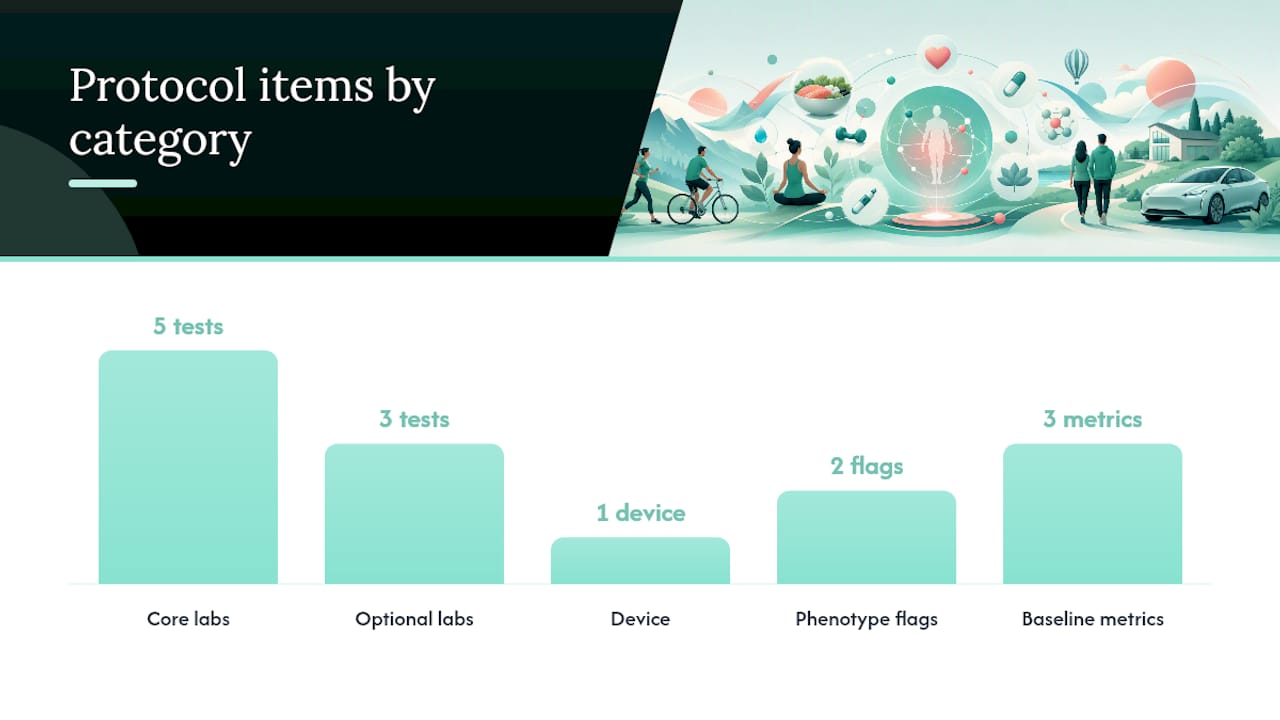
| Category | Order/Action |
|---|---|
| Core labs | HbA1c, fasting glucose, fasting insulin/HOMA-IR, lipid panel, LFTs |
| Optional labs | Adiponectin, hsCRP, intact proinsulin (if β-cell dysfunction suspected) |
| Device | Initiate CGM (14-day sensor) |
| Phenotype flag | Note insulin resistance vs. β-cell dysfunction markers |
| Baseline metrics | Weight, waist circumference, blood pressure |
Weeks 1 to 2: Intensive testing and CGM baseline collection. Review the first week of glucose data with the patient in person or via portal, and flag any nocturnal lows immediately.
Months 2 to 6: Progressive resistance training, DSNF integration if indicated, and phased medication adjustments in coordination with the prescriber.
3, 6, and 12 months: Full reassessment of HbA1c, lipids, LFTs, and body composition, following the three-step assess, tailor, monitor pathway recommended for DSNF integration.
DSNF rules worth memorizing:
- Assess suitability first: recent HbA1c trend, weight goals, and existing meal patterns.
- Use DSNFs to replace the meal or snack producing the largest glucose excursion. Breakfast is often a good default when a patient’s pattern is still unclear.
- For weight loss goals, DSNFs typically replace a full meal; for maintenance, a snack substitution is usually sufficient.
Medication-safety checklist:
- Contact the prescriber before or immediately after initiating meaningful carbohydrate restriction.
- Flag any patient on insulin or sulfonylureas for early titration review.
- Set CGM low-glucose alerts before increasing activity intensity.
- Have a documented hypoglycemia response plan the patient can execute independently.
How Do You Assess and Phenotype a Patient Before Building the Plan?
Skipping phenotyping is the single most common reason integrative protocols underperform. Two patients with identical HbA1c values can have entirely different underlying drivers, and treating them the same wastes months.
Run this core metabolic panel at baseline: fasting glucose, HbA1c, fasting insulin/HOMA-IR, a full lipid panel, LFTs, and hsCRP. Add adiponectin or intact proinsulin when the picture is ambiguous or when a patient isn’t responding as expected.
Layer in a lifestyle and driver screen covering:
- Sleep quality and typical wake times
- Perceived stress and cortisol-pattern symptoms (afternoon crashes, wired-but-tired evenings)
- Gut symptoms, including bloating and irregularity
- Full medication and supplement history
- Waist circumference or another visceral adiposity proxy
- Practical barriers to food preparation
Phenotype mapping changes your priorities immediately. A patient dominated by insulin resistance benefits most from weight-focused nutrition and resistance training. One trending toward β-cell dysfunction needs earlier pharmacologic support layered with tailored nutrition rather than lifestyle changes alone. Expert consensus on this point is direct: no single diet fits every phenotype.
Which Interventions Work Best for Each Pillar?
Nutrition. Anchor meals around protein, favor high-fiber carbohydrate sources over refined ones, and introduce time-restricted eating windows gradually. A simple counseling script: “Let’s build your plate around a protein source first, then vegetables, then whatever carbohydrate is left on the plate.”
Targeted metabolic support. Alpha-lipoic acid, magnesium, and berberine show up repeatedly in integrative protocols, each with typical dosing ranges clinicians should verify against current formularies and renal or hepatic function. DSNFs fit here too, timed to the meal that produces the worst glucose excursion.
Sleep and stress. Sleep hygiene coaching, a CBT-I referral for entrenched insomnia, and brief daily breathing practices all measurably affect cortisol and downstream glucose control, though the metabolic payoff usually takes several weeks to show up on CGM trends.
Progressive activity. Post-meal walking is the easiest win: 10 to 15 minutes of walking after eating can cut postprandial glucose spikes by approximately one-third to two-fifths. Layer in resistance training 2 to 4 times weekly once the patient is ready. Muscle contraction increases GLUT-4 transporter expression independent of insulin, which is why resistance training is one of the most insulin-sensitizing tools you have.

CGM and biofeedback. Start a 14-day CGM window early, even before a formal diagnosis conversation. Short windows are enough to show patients cause and effect in real time and build engagement fast.
Safety callouts you cannot skip: check supplement-drug interactions before adding berberine to a patient on metformin, adjust dosing for renal or hepatic impairment, and anticipate hypoglycemia risk as insulin sensitivity improves faster than expected.
Pro Tip: Show the patient their own CGM graph next to a food log entry. Watching their own glucose curve respond to a walk does more for adherence than any amount of counseling.
A coach-led, technology-enabled program using this same combination of coaching, CGM feedback, and personalized lifestyle intervention showed meaningful improvements in HbA1c, fasting blood sugar, and weight at 90 days compared with usual care in a 150-participant study.
When Should You Adjust Medications and Escalate Care?
Monitoring isn’t a formality here. It’s the mechanism that keeps rapid metabolic improvement from turning into a hypoglycemic emergency. Copy this cadence directly: baseline, a review at 2 to 4 weeks, then follow-ups at 3, 6, and 12 months, checking HbA1c, fasting glucose and insulin, lipids, LFTs, and weight or body composition at each stage.
CGM data should drive titration decisions in real time between visits, not just at scheduled labs. A pattern of repeated overnight lows means rapid-acting insulin needs review that day, not at the next appointment.
| Observed pattern | Suggested clinician response |
|---|---|
| Sustained increase in time-in-range | Consider medication reduction, in coordination with prescriber |
| Repeated nocturnal hypoglycemia on CGM | Same-day contact with prescribing clinician |
| Progressive unintended weight loss | Screen for malnutrition, reassess DSNF dosing |
| Rising LFTs or declining renal function | Pause new supplements, refer for medical workup |
Roughly a third of the benefit from post-meal walking shows up in the very first CGM window, which is exactly why early monitoring matters more in this model than in a standard quarterly follow-up schedule.
Red flags that require expedited referral rather than a wait-and-adjust approach: recurrent hypoglycemia despite dose reduction, weight loss paired with signs of malnutrition, or any abnormal trend in liver or kidney function.
How Do You Build This Into an Existing Clinical Workflow?
Delegate what you can. Health coaches can run intake questionnaires, review CGM downloads for patterns, and handle weekly touchpoints, while licensed clinicians retain medication decisions and lab interpretation.
- Build a standard intake template that captures the phenotype screen in one pass.
- Set a fixed cadence for CGM data review, weekly during the first month.
- Use short, specific goals (“15-minute walk after dinner, five nights this week”) instead of broad lifestyle directives.
- Keep coach-led touchpoints frequent enough to catch early nonadherence before it compounds.
Pro Tip: When starting carbohydrate restriction or CGM on a patient using insulin or sulfonylureas, send the prescriber a message like this: “Initiating structured carbohydrate reduction and CGM today. Please advise on planned dose adjustments given anticipated increase in insulin sensitivity within 3 to 7 days.”
Why Training and Certification Matter for Implementing This Protocol
Running a phenotype-driven protocol safely takes more than reading a template. It takes structured training in interpreting fasting insulin, reading CGM trends, and knowing exactly when a medication conversation with a prescriber can’t wait.
Look for a program that offers accredited continuing education units, clinical application modules you can use the same week, ready-made intake and monitoring templates, and a real board certification pathway, not just a certificate of completion.
The Institute for Functional Nurses offers exactly that: an accredited, fully online board certification program built for nurses, nurse practitioners, and health coaches who want to move from managing diabetes symptoms to addressing root causes. The curriculum walks through phenotype-driven assessment, supplement and DSNF protocols, and monitoring frameworks like the one above, and board certification can meaningfully expand your scope and earning potential as demand for integrative care grows.
If you’re ready to put this protocol into practice with proper training behind it, start with a single focused module through Functionalacademy and build from there.
Shifting from disease management to restoring metabolic function
The clinicians who get the best outcomes with this protocol stop thinking of diabetes as a number to suppress and start treating it as a signal of upstream dysfunction worth investigating. That mindset shift changes what you order, what you prescribe, and how you talk to patients. None of it works in isolation from the prescribing clinician. Partnership, not parallel play, is what keeps patients safe while their physiology improves.
Sources
- Personalized Diabetes Therapy Part 2—Individual Diabetes Treatment (Standard of Care Plus, SOC+)
- Sugar.fit Diabetes Reversal Programme (SDRP) study (coach‑led, tech‑enabled program)