
How Functional Medicine Improves Patient Outcomes
How Functional Medicine Improves Patient Outcomes
Conventional medicine saves lives. No one disputes that. But when a patient cycles through specialists for years with fatigue, brain fog, and chronic pain, only to leave each appointment with another prescription and no real answers, something is clearly missing. That gap is exactly where how functional medicine improves patient outcomes becomes not just relevant but urgent. This approach treats each patient as a unique system, not a collection of symptoms to suppress. Whether you are a clinician looking to expand your practice or a patient tired of being managed rather than healed, understanding this model changes everything.
Table of Contents
- Key takeaways
- How functional medicine works at its core
- The evidence for better patient outcomes
- Addressing the root drivers of chronic illness
- What patients and providers can expect
- Limitations and honest considerations
- My take on where this is all heading
- Take your practice to the next level
- FAQ
Key takeaways
| Point | Details |
|---|---|
| Root cause over symptom control | Functional medicine investigates why disease develops, not just how to suppress its symptoms. |
| Measurable outcome improvements | Patients show greater physical and mental health gains at 12 months compared to conventional care. |
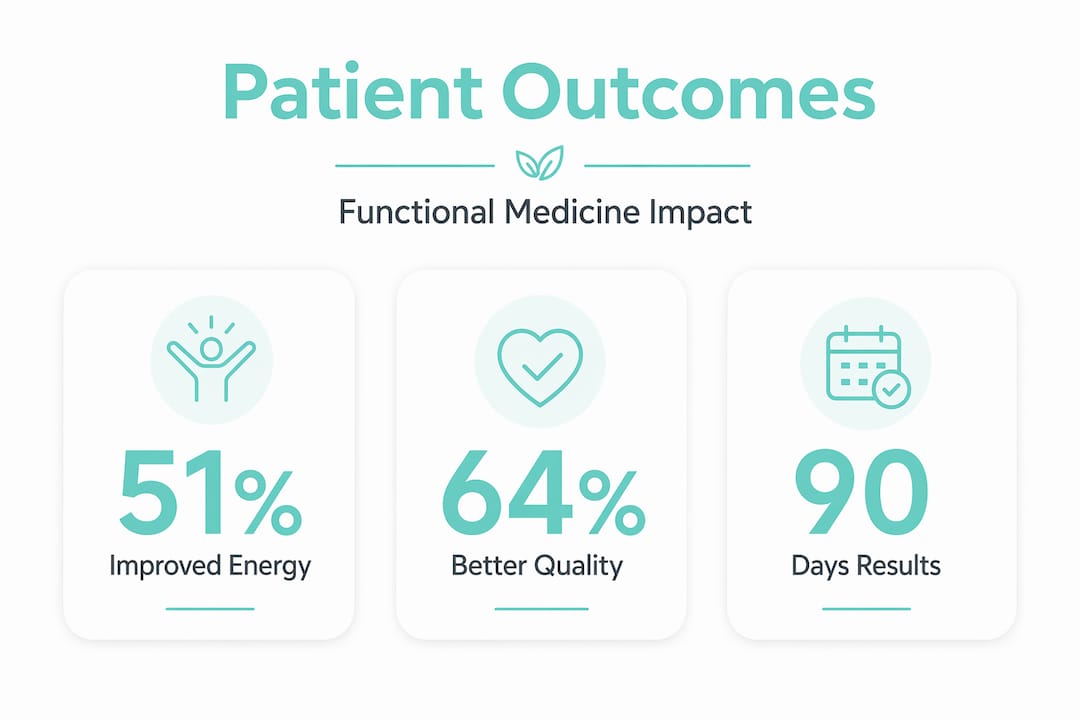
| Early results are real | Noticeable improvements in energy, sleep, and cognition can occur within 60 to 90 days. |
| The intake IS the treatment | Extended consultations build the trust and data needed for lasting behavioral and physiological change. |
| Education accelerates impact | Clinicians trained in functional medicine apply root-cause protocols that drive better patient retention and results. |
How functional medicine works at its core
At its foundation, functional medicine is a systems biology approach. Rather than asking “What disease does this patient have?”, it asks “Why is this patient’s biology behaving this way?” That single shift in framing changes every clinical decision that follows.
The model rests on three pillars:
- Individualized evaluation: No two patients with the same diagnosis receive the same protocol. Genetic background, lifestyle, environment, and personal history all shape the care plan.
- Systems thinking: The body is treated as an interconnected network. A gut issue may be driving a mood disorder. A thyroid imbalance may be the root of persistent weight gain. Providers trace the connections.
- Root cause investigation: Rather than muting symptoms pharmacologically, the functional medicine approach identifies the upstream triggers, whether they are nutritional, hormonal, environmental, or psychological.
One of the most defining structural differences is time. Functional medicine consultations typically run 60 to 75 minutes for the initial visit, compared to the 15-minute conventional appointment. That time investment is not a luxury. It is the mechanism.
Pro Tip: If you are a clinician new to this model, start by adding a structured 30-minute “root cause review” to your existing intake process. You will uncover factors you have been systematically missing.
Conventional medicine excels at acute diagnostics. Functional medicine expands on that by integrating root cause investigation into routine chronic disease management, creating a model where both approaches reinforce rather than compete with each other.
The evidence for better patient outcomes
This is where the conversation moves from philosophy to proof. The benefits of functional medicine are not anecdotal. The data is clear, and it is building.

A landmark study published in JAMA Network Open found that patients in functional medicine models reported significantly greater improvements in both physical and mental health at 12 months compared to those receiving conventional care, with effect sizes of 0.35 for physical health and 0.27 for mental health. Those numbers matter because they represent real change in daily functioning, not just lab values.
The timeline for results also defies the assumption that root-cause care is slow. Clinically meaningful changes in energy, sleep quality, and overall well-being occur within 60 to 90 days after starting individualized functional medicine protocols. That is faster than most patients expect and faster than many chronic disease medications reach therapeutic effect.
Here is how the evidence stacks up across key outcome categories:
| Outcome category | Functional medicine finding |
|---|---|
| Physical health (12 months) | Effect size 0.35 improvement vs. conventional care |
| Mental health (12 months) | Effect size 0.27 improvement vs. conventional care |
| Energy, sleep, cognition | Meaningful change within 60 to 90 days |
| Repeat office visits | Fewer visits reported after 3 months of engagement |
| Lifestyle intervention (cardiovascular) | 30% reduction in cardiovascular events (PREDIMED trial) |
Patients who stay engaged for at least three months in a functional medicine model report fewer repeat office visits compared to conventional care patients. That downstream efficiency is significant for both practice economics and patient quality of life.
“The question is no longer whether functional medicine produces results. The question is why more providers are not trained to deliver it.”
The data on lifestyle interventions alone is striking. Mediterranean diet and structured exercise reduce the incidence of chronic diseases more effectively than some pharmacological treatments. The Diabetes Prevention Program showed a 58% reduction in type 2 diabetes incidence through lifestyle change alone. Functional medicine operationalizes this kind of evidence into personalized care.
Addressing the root drivers of chronic illness
Here is what conventional care often misses: the subtle, systemic dysfunctions that sit just below the diagnostic threshold. A patient’s thyroid labs may read “normal” while they experience every classic hypothyroid symptom. Their inflammation markers may not trigger an alarm while their immune system steadily erodes their quality of life. Functional medicine is built to catch exactly this.
The key drivers that functional medicine targets include:
- Gut microbiome disruption: The microbiome influences conditions far beyond digestion, including mood, immune regulation, and systemic inflammation. Targeted microbiome interventions improve IBS, anxiety, and inflammatory markers in ways that acid blockers simply do not.
- Hormonal and stress physiology imbalances: Cortisol patterns, estrogen metabolism, insulin sensitivity, and thyroid function operate as a network. Dysfunction in one creates cascading effects across the others.
- Chronic low-grade inflammation: This is the silent driver behind cardiovascular disease, metabolic syndrome, autoimmune conditions, and cognitive decline. Standard care often does not intervene until markers are significantly elevated.
- Environmental and lifestyle triggers: As Dr. David Borenstein’s work demonstrates, environmental factors pull the trigger on genetic disease risk. Diet, sleep, toxic exposures, and chronic stress are not background noise. They are primary causes.
Improving health with functional medicine means addressing these factors directly, with personalized protocols rather than population-level prescribing standards. Emerging approaches, including targeted microbiome therapies and regenerative treatment strategies, are expanding the toolkit further.
Pro Tip: When reviewing labs, look beyond standard reference ranges. Optimal functional ranges often differ significantly from the broad population norms used in conventional diagnostics. Ferritin optimal for function, for instance, sits at 70 to 100 ng/mL, while “normal” can read as low as 12.
Functional medicine and chronic illness management become genuinely transformative when providers learn to connect these upstream drivers to presenting symptoms, rather than treating the symptom alone.
What patients and providers can expect
The functional medicine model operates differently from the moment a patient walks through the door. Here is what that process typically looks like in practice:
- Extended initial assessment. The 60 to 75 minute intake is not administrative overhead. It is the primary therapeutic intervention. Providers review full medical history, labs, lifestyle patterns, stress load, sleep quality, and environmental exposures in one sitting. This intake builds the trust that makes lasting behavior change possible.
- Personalized care plan development. Based on the intake, the provider creates a protocol tailored to that specific patient’s biology, not a condition template. Plans address nutrition, movement, sleep hygiene, stress regulation, supplementation, and targeted testing.
- Lifestyle and nutrition counseling. Patients receive concrete, science-backed guidance rather than generic handouts. Personalized lifestyle modification is treated as primary treatment, not a footnote after prescribing.
- Ongoing monitoring and plan adjustment. Functional medicine is dynamic. Providers track biomarkers, symptoms, and patient-reported outcomes over time, adjusting protocols as the patient’s biology responds. This is where patient education and engagement prove critical. Adherence improves dramatically when patients understand the “why” behind every recommendation.
- Technology integration. Wearables, continuous glucose monitors, and digital symptom tracking give both provider and patient real-time data to work with. Combining conventional medicine’s diagnostic precision with functional medicine’s systems view creates the most effective approach to complex chronic disease management.
- Integration alongside conventional care. Functional medicine does not replace emergency medicine, surgery, or acute care. It operates as a complement, filling the chronic disease management gap that conventional models were never designed to address.
For clinicians wanting to understand integrative nursing practice, this model offers a clear framework to apply within existing workflows without abandoning proven clinical tools.
Limitations and honest considerations
No approach is without trade-offs. Here is what you need to know before committing to functional medicine, as a provider or a patient:
- Time and cost are real barriers. Extended consultations and comprehensive lab panels require more investment upfront. Many functional medicine services are not covered by standard insurance plans, though this is gradually changing.
- Not all practitioners are equally trained. The term “functional medicine” is not uniformly regulated. Look for board-certified providers with formal training from accredited programs. Credentials matter.
- Results take commitment. Lifestyle change is the core treatment. Patients who are unwilling to engage with nutrition, sleep, and stress management will not see the same outcomes as those who do.
- It is not a replacement for acute care. Functional medicine excels at chronic disease management and prevention. It does not replace antibiotics for acute infections, surgical intervention, or emergency diagnostics.
- Evidence is still growing. While existing studies are promising and the mechanistic logic is sound, the field continues to build its randomized controlled trial base. Providers should apply evidence-based approaches within the functional medicine framework rather than replacing clinical judgment.
Why choose functional medicine then? Because for the millions living with chronic illness that conventional care manages but never resolves, it offers a genuinely different and better path.
My take on where this is all heading
I have watched providers walk into functional medicine training skeptical and walk out completely rethinking their clinical identity. That shift is not about abandoning what they learned in medical or nursing school. It is about adding the lens they were never given.
In my experience, the single biggest barrier is not the science. The science supports this approach. The barrier is time structure. Most clinicians were trained to work in 15-minute windows, which makes root-cause investigation feel impossible. But when you redesign just the initial intake and build a care framework around it, everything downstream changes. Patients stay longer. They adhere better. They refer others. The metabolic health skills needed to do this work well are learnable. They are not reserved for specialists with decades of extra training.
I also believe that technology will accelerate this field faster than most providers realize. Wearables and continuous monitoring are already giving functional medicine practitioners data that would have required a hospital admission a decade ago. The providers who learn to interpret and act on that data now will be operating at a completely different level within five years.
My honest advice: do not wait for the system to change. Build the skills, serve your patients at the root cause level, and the outcomes will speak for themselves.
— Lauren
Take your practice to the next level
If you are a healthcare provider ready to build these skills, Functionalacademy offers exactly what you need.
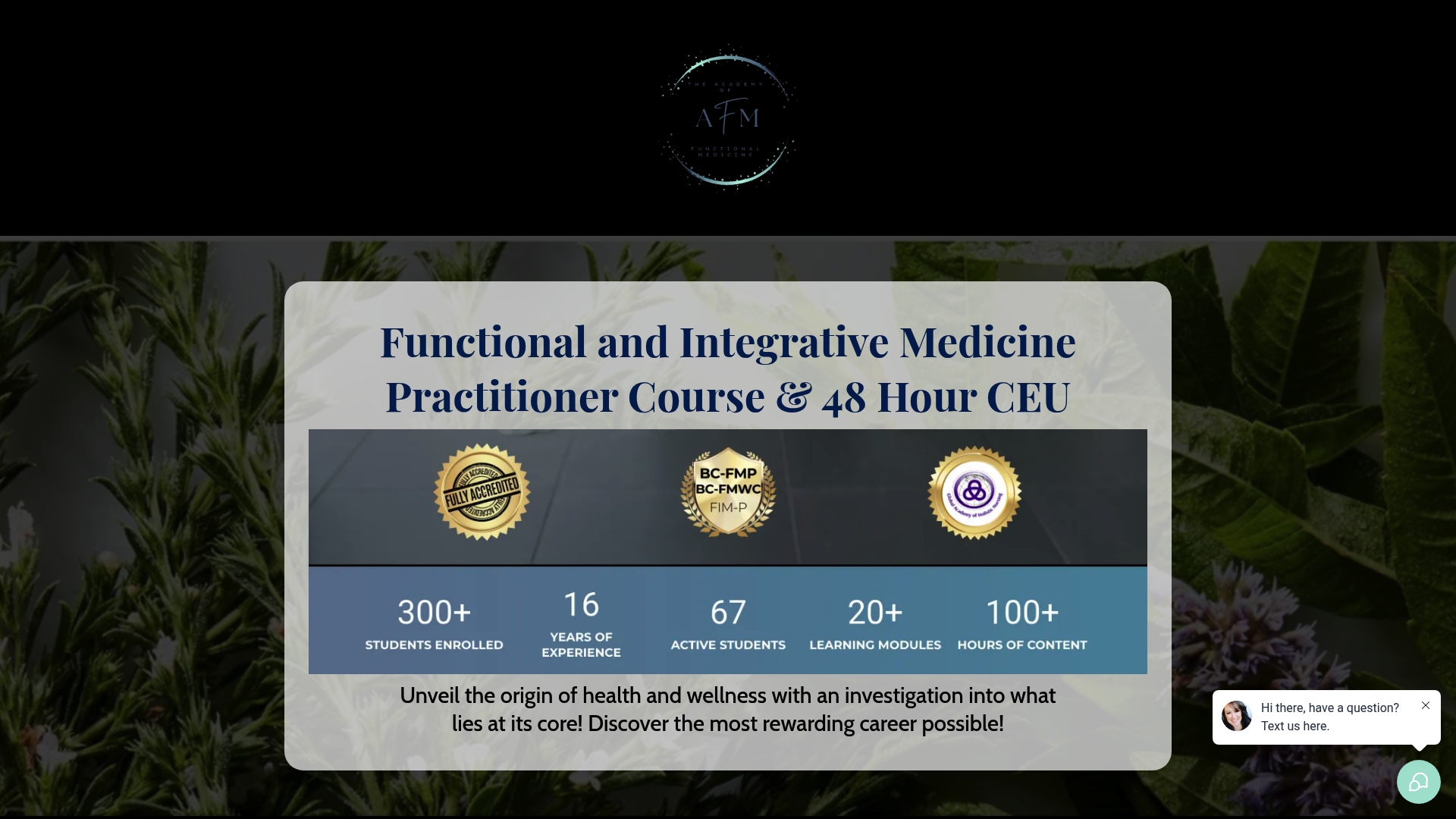
The Institute for Functional Nurses provides a fully accredited, online Board Certification program designed for registered nurses and healthcare practitioners who want to implement evidence-based functional medicine strategies without shutting down their current practice. The curriculum is built around practical, clinical application, so you can start applying root-cause protocols to real patients immediately. Graduates report increased competency, stronger patient relationships, and growing demand for their services in a sector that is only expanding. The benefits for practitioners who make this move are real and measurable. Your patients are waiting for someone who can offer them more than managed symptoms. Be that provider.
FAQ
What does functional medicine actually do differently?
Functional medicine identifies the root biological causes of illness rather than managing symptoms with medication alone. It uses extended consultations, comprehensive lab analysis, and personalized lifestyle protocols to address why disease develops.
How quickly can patients see results from functional medicine?
Many patients experience meaningful improvements in energy, sleep quality, and cognitive function within 60 to 90 days of starting an individualized functional medicine protocol.
Is functional medicine backed by scientific evidence?
Yes. A JAMA Network Open study found functional medicine patients showed significantly greater physical and mental health improvements at 12 months compared to conventional care, with effect sizes of 0.35 and 0.27 respectively.
Can functional medicine replace conventional medical treatment?
No. Functional medicine complements conventional care by addressing chronic disease root causes. It does not replace acute care, surgery, or emergency diagnostics, and works best when integrated alongside evidence-based conventional treatment.
Who benefits most from the functional medicine approach?
Patients managing chronic conditions such as autoimmune disease, metabolic syndrome, hormonal disorders, and fatigue-related illness see the strongest results, particularly when they are ready to engage with lifestyle and nutritional changes as core treatment.