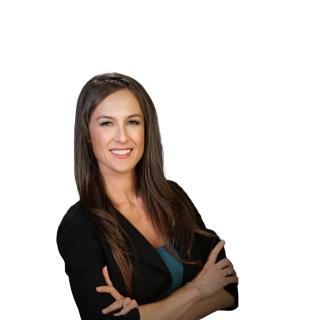
Dr. Mark Hyman, MD: Credentials, Career, and Approach
Dr. Mark Hyman, MD: Credentials, Career, and Approach
Dr. Mark Hyman, MD is a practicing physician and one of the most recognized names in functional medicine, known for building institutions rather than just a personal brand. He is founder and medical director of The UltraWellness Center, and he directed the Cleveland Clinic Center for Functional Medicine), a rare case of an academic medical center building an entire department around this model. He has written more than a dozen books, several of which hit the New York Times bestseller list, and he hosts The Dr. Hyman Show, a podcast that puts him in front of millions of listeners every month.
What follows breaks down where his training comes from, how he built his career, what he actually recommends to patients, and where the science backs him up versus where critics push back. If you are trying to figure out whether his advice deserves a place in your own health decisions, or whether his model of care belongs in your clinical practice, you need the full picture, not just the highlight reel.
- Physician, author, and podcast host with a public profile that spans clinical medicine, publishing, and media
- Founder and medical director of The UltraWellness Center in Lenox, Massachusetts
- Former director of the Cleveland Clinic Center for Functional Medicine
- Author of multiple New York Times bestselling books on nutrition and chronic disease
Key Takeaways
Dr. Mark Hyman built his authority on conventional medical training, then layered institutional leadership and mass-media reach on top of it, making him one of the most influential and most scrutinized voices in functional medicine today.
| Point | Details |
|---|---|
| Conventional credentials first | His MD and family medicine residency came before his functional medicine specialization, not instead of it. |
| Institutional reach | Leadership at The UltraWellness Center, the Cleveland Clinic Center for Functional Medicine, and the Institute for Functional Medicine gave his ideas clinical and academic legitimacy. |
| Pegan diet is a hybrid, not a fad label | It blends paleo and vegan principles around vegetables, quality protein, and reduced sugar and refined carbs. |
| Evidence is mixed by component | Lifestyle and nutrition fundamentals are well supported; specific testing protocols and blanket restrictions draw the most criticism. |
| Verify before adopting | Check claims against peer-reviewed sources and consult a licensed clinician before major dietary or supplement changes. |
Table of Contents
- Dr. Mark Hyman’s Education and Medical Training
- Career Roles That Built His Platform
- What Dr. Hyman Actually Recommends: Functional Medicine and the Pegan Diet
- The Evidence Behind Lifestyle Medicine and Where Critics Push Back
- Books, Podcast, and Media That Built His Audience
- Controversies Surrounding His Work and Products
- Hyman’s Broader Influence on Medicine and Policy
- Why Nurses and Clinicians Should Pay Attention to This Model
- Primary Sources Worth Reading Directly
- Sources
Dr. Mark Hyman’s Education and Medical Training
Before he became a household name in wellness media, Hyman built a conventional medical résumé. He completed his undergraduate studies at Cornell University and earned his medical degree from the University of Ottawa. That’s a detail worth pausing on: his MD comes from a mainstream Canadian medical school, not an alternative-medicine institute, which matters to readers trying to separate legitimate clinical training from wellness marketing dressed up as credentials.
After medical school, he trained in family medicine, the specialty that shapes much of how he practices today. Family medicine residents are trained to manage whole patients across ages and conditions rather than a single organ system, and that generalist foundation shows up constantly in how Hyman talks about chronic disease. He doesn’t approach a patient’s fatigue or joint pain as an isolated complaint. He treats it as a signal pointing toward diet, sleep, stress, and gut function all at once.
His board credentials sit within family medicine, and he later became a Certified Physician of the Institute for Functional Medicine (IFMCP), a credential that layers functional medicine training on top of conventional licensure rather than replacing it. That distinction matters for anyone evaluating his authority: he isn’t operating outside the licensed medical system. He’s operating inside it, with an additional certification most family physicians never pursue.
Why this training shaped his later focus:
- Family medicine’s generalist model primed him to look for connections across organ systems instead of treating symptoms in isolation
- His conventional MD and residency give him standing to critique mainstream medicine from inside it, rather than as an outsider dismissing it wholesale
- Board certification in a recognized specialty, layered with functional medicine credentialing, is the same dual pathway that certification programs like the Institute for Functional Nurses now offer nurses and advanced practice clinicians who want that same blended foundation
- His clinical training predates his media career by roughly two decades, meaning the public-facing persona was built on an existing clinical practice, not the reverse
This sequence, conventional training first, functional medicine specialization second, is the pattern the Cleveland Clinic Center for Functional Medicine itself was designed around: physicians who already practice medicine, adding a root-cause framework on top.
Career Roles That Built His Platform
Hyman’s influence didn’t come from a single bestselling book. It came from stacking leadership roles at institutions that each gave him a different kind of authority, clinical, academic, and policy-facing.
- Founder and medical director, The UltraWellness Center. He built this Lenox, Massachusetts practice around functional medicine’s central premise: treat the underlying cause of chronic illness rather than manage symptoms indefinitely. The center focuses on complex, chronic cases, patients who have often cycled through multiple specialists without answers.
- Director, Cleveland Clinic Center for Functional Medicine. This is arguably his most consequential move. Getting a functional medicine center inside a top-tier academic hospital system gave the model institutional legitimacy it had never had at that scale, and it put Hyman at the intersection of alternative and mainstream medicine in a way few practitioners achieve.
- Board leadership at the Institute for Functional Medicine. He has held board and clinical affairs leadership roles at IFM, the organization that trains and certifies functional medicine physicians nationally, giving him influence over how the discipline trains its next generation of practitioners.
- Policy and advisory engagement. His bio and institutional profiles document testimony and advisory work connected to nutrition policy, including engagement with government health initiatives. These roles extend his reach beyond the exam room into how food and health policy get discussed at a national level, a detail the UltraWellness Center’s own profile highlights as central to his impact.
Each of these roles reinforces the others. The Cleveland Clinic appointment lent academic credibility to the ideas he was already practicing at UltraWellness. The IFM leadership let him formalize those ideas into training standards. The policy work extended them into public discourse. Few physicians build that kind of layered platform, and it’s a big part of why his name carries weight beyond his own patient panel.
What Dr. Hyman Actually Recommends: Functional Medicine and the Pegan Diet
Functional medicine, as Hyman defines it, asks a different question than conventional acute care. Instead of “what drug treats this symptom,” it asks “what upstream imbalance, in diet, gut health, hormones, toxin exposure, or stress, is producing this symptom in the first place.” It’s a root-cause model, and it’s the thread running through everything else he teaches.

The clearest expression of his dietary philosophy is the pegan diet, a term he coined by fusing paleo and vegan principles. It sounds like a contradiction, and that’s partly the point: it borrows paleo’s emphasis on whole foods and minimizing processed sugar, and vegan’s emphasis on abundant vegetables, while rejecting the strict animal-product exclusion of veganism and the heavy meat emphasis some paleo diets encourage. According to Healthline’s explainer on the diet, the pegan approach is built around reducing inflammation and stabilizing blood sugar, largely by prioritizing vegetables, healthy fats, and lean proteins while minimizing refined carbohydrates and processed food.
Core elements of what he typically recommends:
- A plate that’s roughly 50 to 75% non-starchy vegetables, with protein and healthy fats filling the rest
- Minimizing added sugar and refined grains, which he frames as primary drivers of insulin resistance
- Prioritizing quality over strict category rules, meaning grass-fed meat over feedlot beef, wild fish over farmed, when accessible
- Hydration paired with electrolytes as a basic, frequently overlooked lever in energy and cognitive complaints
Beyond food, his clinical messaging regularly touches on targeted supplementation for common deficiencies, magnesium glycinate for sleep and muscle function, omega-3 fatty acids for inflammation, and methylated B-vitamins for patients with certain genetic variants affecting folate metabolism. He frames these as clinician-guided adjuncts for specific gaps, not blanket prescriptions everyone needs.
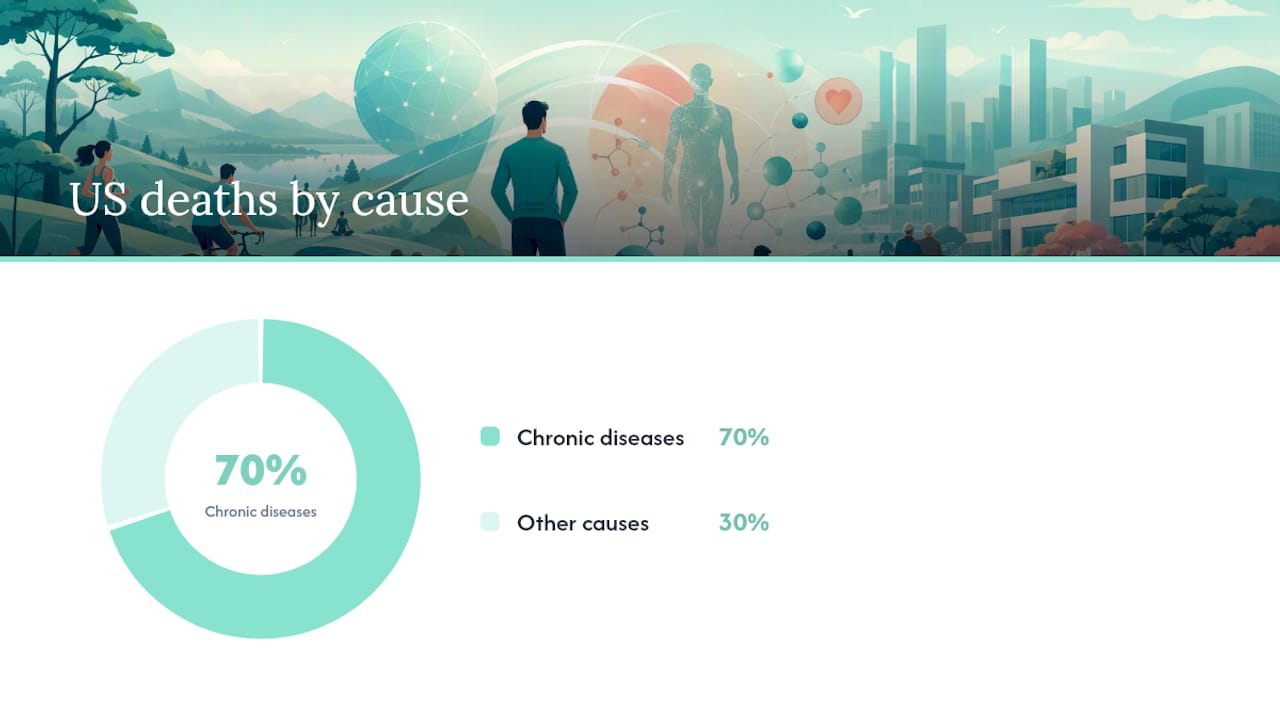
A commonly cited figure in his public talks is that chronic diseases account for roughly 70% of deaths in the United States and are heavily influenced by diet and lifestyle, a statistic he uses to argue that food functions as a direct clinical lever, not just a wellness add-on.
Pro Tip: Supplement categories like magnesium or B-vitamins address specific, testable deficiencies, not universal needs. Before adding anything to a regimen, get actual lab values checked. A supplement that helps someone with a documented deficiency does nothing for someone without one, and can occasionally interact with medications.
The Evidence Behind Lifestyle Medicine and Where Critics Push Back
The broad claim that diet, physical activity, and lifestyle factors drive chronic disease risk isn’t controversial. It’s mainstream. Large-scale nutrition and lifestyle research consistently links dietary pattern, sedentary behavior, and metabolic health to cardiovascular disease, type 2 diabetes, and several cancers. Where the debate sharpens is in the specifics: which interventions, at what dose, and with how much certainty.
Functional medicine as a discipline draws real scrutiny here. Critics, including physicians writing in peer-reviewed and mainstream medical outlets, argue that some functional medicine practices rest on testing panels and protocols with thin trial support, and that the framework can blur the line between legitimate nutrition science and marketed wellness products. The pegan diet specifically has drawn criticism for its restrictiveness and for components, like blanket gluten and dairy avoidance for people without diagnosed sensitivities, that Healthline notes lack strong evidence when applied universally rather than to people with actual intolerances.
The honest read on functional medicine’s evidence base is mixed by design: its emphasis on nutrition and lifestyle sits on genuinely strong science, while some of its diagnostic testing and individualized protocols run ahead of what controlled trials have confirmed.
For readers weighing his claims, a few practical filters help. Check whether a recommendation is tied to a documented deficiency or condition, versus marketed as universally beneficial. Look for peer-reviewed sources behind specific claims rather than anecdotal patient stories. And treat popular-press summaries, including this one, as a starting point rather than a substitute for reviewing primary literature or talking to a licensed clinician about your own case. Functionalacademy’s own coverage of how functional medicine improves patient outcomes walks through where the outcomes data is strongest.
Books, Podcast, and Media That Built His Audience
Hyman’s reach outside the clinic comes almost entirely from three channels: books, a podcast, and a steady stream of high-visibility media appearances.
- Food Fix argues that the food system itself, not just individual willpower, is a root driver of chronic disease and proposes systemic reforms alongside personal dietary changes.
- Eat Fat, Get Thin challenges the low-fat orthodoxy that dominated nutrition advice for decades, arguing that healthy fats support rather than undermine weight management.
- Young Forever shifts his focus toward longevity science, covering cellular aging and the interventions he argues can extend healthy lifespan.
- The Dr. Hyman Show, his podcast, covers nutrition, functional medicine, longevity, and interviews with researchers and fellow clinicians, reaching a large recurring audience and functioning as his primary direct-to-public channel.
- He has appeared extensively across national television and documentary projects, including the food-policy documentary Fed Up, appearances that extended his reach well beyond readers who buy health books.
His official site lists a fuller catalog of titles, including earlier works like UltraPrevention and The UltraMind Solution, that established his root-cause framework years before “functional medicine” became a mainstream search term.
Controversies Surrounding His Work and Products
No public-facing physician with this much reach avoids scrutiny, and Hyman is no exception. The criticism generally falls into three buckets.
- The pseudoscience label. Some physicians and science writers categorize functional medicine broadly as alternative medicine dressed in clinical language, arguing that its diagnostic testing panels often outpace what controlled research supports.
- Pegan diet evidence gaps. Critics point out that blanket restrictions, like gluten avoidance for people without celiac disease or gluten sensitivity, aren’t well supported by data when applied to the general population rather than diagnosed cases.
- Commercial ties. Hyman sells supplements and products alongside his clinical and media work, which raises the transparency questions any physician-influencer with a product line faces: are recommendations driven by evidence or by the product catalog behind them.
What this means for readers: verify specific claims against peer-reviewed sources, distinguish between his general lifestyle advice (well supported) and specific proprietary protocols (more variable), and talk to a licensed clinician before making major dietary or supplement changes, especially with existing conditions or medications.
Hyman’s Broader Influence on Medicine and Policy
Hyman’s most durable legacy probably isn’t any single book. It’s the institutions. A functional medicine department inside the Cleveland Clinic outlasts any one bestseller, and it gave the field a foothold in mainstream academic medicine that didn’t exist before.
His media output shifted public conversation too, supported by resources like the Longevity Premier free ebook which explore related longevity topics. Concepts like “food as medicine” and root-cause thinking moved from niche wellness circles into mainstream nutrition discourse partly through his books and podcast reach. Clinicians have responded unevenly. Some have incorporated functional medicine principles into integrative and oncology support practices, while others remain skeptical of the model’s testing-heavy approach. Either way, his policy engagement and institutional footprint mean the conversation around nutrition and chronic disease now regularly includes functional medicine as a serious contender.
Why Nurses and Clinicians Should Pay Attention to This Model
Hyman’s public visibility has done something measurable: it’s driven patient demand for functional, root-cause conversations that most conventional visits don’t have time for. Nurses and advanced practice clinicians are increasingly the ones fielding those questions at the bedside.

The responsible path isn’t adopting his protocols wholesale. It’s building the clinical literacy to separate well-supported lifestyle guidance from thinner claims, and to translate that into structured, evidence-based care rather than borrowed talking points. That’s precisely the gap accredited functional medicine training closes for working nurses who want to meet this demand credibly. The Institute for Functional Nurses offers board certification pathways built for exactly this transition, giving practitioners the clinical framework to practice functional medicine with the same rigor Hyman’s own credentialing represents, minus the guesswork of figuring it out from books and podcasts alone.
Primary Sources Worth Reading Directly
For readers who want to go beyond summaries, these primary sources offer the most direct look at Hyman’s own words and documented career.
- Conversation With Mark Hyman, MD (PMC/NIH): a first-person interview covering his clinical priorities and public-health views.
- Mark Hyman, MD official biography: his stated mission, book catalog, and media projects.
- The UltraWellness Center profile: institutional documentation of his roles, honors, and clinical focus.
This article is general information, not a substitute for advice from a qualified doctor. Consult a qualified healthcare professional about your own circumstances before acting on anything here.
Sources
- Conversation With Mark Hyman, MD - PMC
- Mark Hyman, MD, FMCP-M – The UltraWellness Center
- The pegan diet: Benefits, downsides, and sample menu (Healthline)
- Drhyman