
Anti-Inflammatory Lifestyle Medicine: What You Need to Know
Anti-Inflammatory Lifestyle Medicine: What You Need to Know
Anti-inflammatory lifestyle medicine is defined as an evidence-based medical specialty that uses targeted lifestyle changes across six proven pillars to reduce systemic inflammation and prevent chronic disease. This is not a wellness trend or a supplement protocol. It is a recognized clinical discipline, formally structured by the American College of Lifestyle Medicine, built on the understanding that up to 80% of chronic diseases are driven by modifiable lifestyle factors. The approach works by addressing root causes rather than managing symptoms, making it one of the most powerful tools available for long-term health. If you want to understand what is anti-inflammatory lifestyle medicine and how it applies to your daily life, this guide covers everything you need.
What is anti-inflammatory lifestyle medicine and its six pillars?
Lifestyle medicine is the clinical practice of using evidence-based lifestyle interventions as the primary treatment for chronic conditions. The anti-inflammatory application of this specialty focuses specifically on reducing systemic inflammation, which is the underlying driver of conditions like heart disease, type 2 diabetes, autoimmune disorders, and certain cancers.
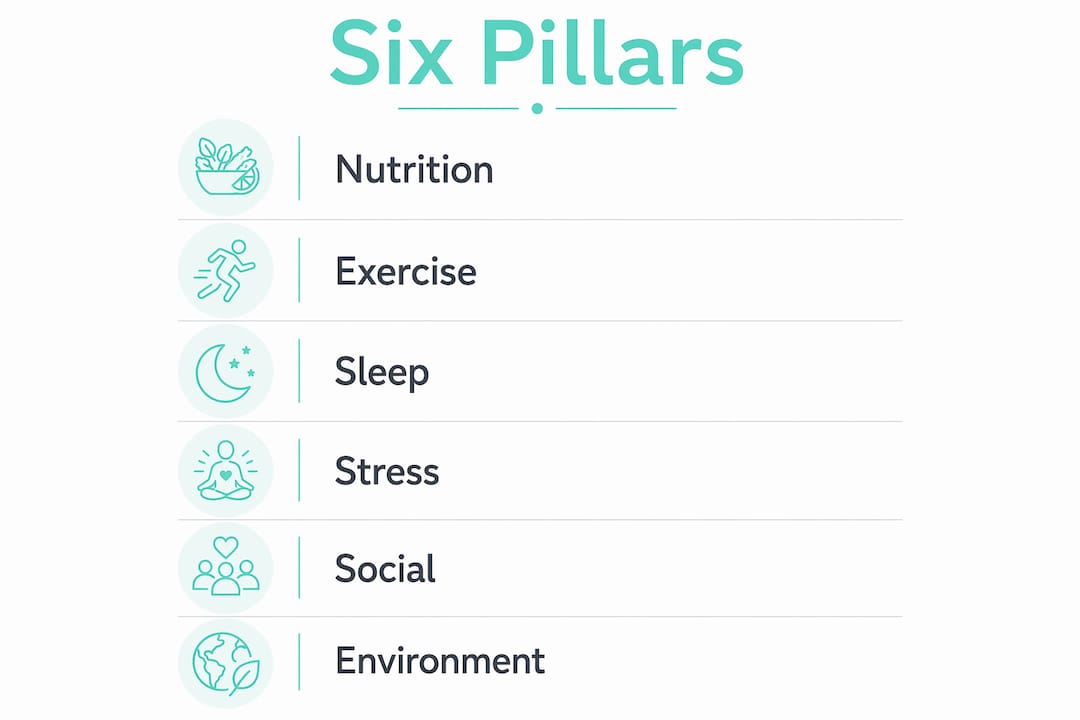
The six pillars of lifestyle medicine are nutrition, physical activity, restorative sleep, stress management, avoidance of risky substances, and social connection. Each pillar directly influences inflammatory processes in the body. The real power comes from their combined effect. Addressing only one pillar while ignoring the others produces limited results.
Here is how each pillar contributes:
- Optimal nutrition. A whole-food, plant-forward diet reduces the intake of pro-inflammatory compounds and increases anti-inflammatory phytochemicals. Patterns like the Mediterranean and DASH diets are the most studied and most effective.
- Physical activity. The American College of Lifestyle Medicine recommends 150 minutes of moderate exercise weekly. Regular aerobic movement suppresses inflammatory cytokines and supports immune regulation.
- Restorative sleep. Poor sleep raises inflammatory markers overnight. Consistent sleep schedules and limiting evening screen time directly improve metabolic and inflammatory outcomes.
- Stress management. Chronic stress elevates cortisol, which promotes body-wide inflammation. Mindfulness and meditation act as biological off-switches for this response.
- Avoidance of risky substances. Alcohol, tobacco, and recreational drugs all trigger immune activation and increase inflammatory load. Reducing or eliminating them lowers systemic inflammation measurably.
- Social connection. Strong social bonds trigger oxytocin release, which lowers cortisol and reduces inflammatory signaling at the cellular level.
Pro Tip: Do not try to overhaul all six pillars at once. Pick the one that feels most manageable and build from there. Sustainable change beats a perfect plan you abandon in two weeks.
What to eat for inflammation: the nutrition pillar in depth
Nutrition is the pillar most people start with, and for good reason. The foods you eat directly control whether your immune system stays calm or stays activated. The Mediterranean and DASH dietary patterns reduce cholesterol, blood pressure, and body-wide inflammation through a combination of healthy fats, fiber-rich carbohydrates, and diverse protein sources.
Foods that fight inflammation:
- Fatty fish like salmon, sardines, and mackerel (aim for two 4-ounce servings weekly for omega-3 benefits)
- Colorful fruits and vegetables, especially berries, leafy greens, and cruciferous vegetables
- Extra-virgin olive oil, walnuts, and flaxseeds
- Spices like turmeric, ginger, and cinnamon, which contain direct anti-inflammatory compounds
- Legumes, whole grains, and fermented foods that support gut health
Foods that drive inflammation:
- Ultra-processed foods with added sugars, artificial additives, and refined oils
- Processed meats like hot dogs, bacon, and deli cuts
- Foods high in saturated fat and trans fats
- Sugary beverages including sodas and sweetened juices
Removing ultra-processed foods from your diet is as important as adding anti-inflammatory foods. You cannot out-eat a diet full of inflammatory triggers by adding a handful of blueberries. Both sides of the equation matter equally.
Measurable improvements in inflammation markers can appear within 2–3 weeks of switching to a whole-food, plant-forward eating pattern. That timeline is faster than most people expect, and it is a strong motivator to stay consistent.
Pro Tip: When reading nutrition labels, the first three ingredients tell you most of what you need to know. If sugar, refined flour, or a partially hydrogenated oil appears in that top three, put the product back.
How do sleep, stress, and social habits reduce inflammation?
Diet gets most of the attention, but sleep, stress, and social connection are equally powerful anti-inflammatory levers. Neglecting them while eating perfectly still leaves your inflammatory load high.

Sleep and inflammation. Poor sleep quality raises levels of C-reactive protein (CRP) and other inflammatory markers. Consistent sleep timing matters as much as total hours. Early dinners and limiting screen use before bed improve both sleep quality and metabolic markers tied to inflammation. Aim for a consistent bedtime and wake time, even on weekends.
Stress and cortisol. Chronic stress elevates cortisol, which keeps the immune system in a low-grade activated state. Over time, this wears down the body’s ability to regulate inflammation. Mindfulness meditation, deep breathing, and time in nature all reduce cortisol measurably. Even 10 minutes of daily meditation produces biological changes in pro-inflammatory cytokine levels.
Social connection as medicine. This one surprises most people. Social bonds trigger oxytocin, a hormone that directly lowers cortisol and inflammatory signaling. Loneliness, by contrast, activates the same stress pathways as physical danger. Prioritizing meaningful relationships is not soft advice. It is a clinical recommendation backed by biology.
Dental health. Periodontitis, or chronic gum disease, is a major and often overlooked entry point for systemic inflammation. Regular flossing and brushing with an electric toothbrush reduce gum inflammation and lower systemic inflammatory markers. Your mouth is not separate from your body.
Pro Tip: Schedule social time the same way you schedule workouts. Treat it as a non-negotiable health appointment, not an optional extra.
What are the benefits of adopting an anti-inflammatory lifestyle?
The benefits of an anti-inflammatory diet and lifestyle extend well beyond reduced inflammation scores on a lab panel. People who adopt this approach consistently report less joint pain, clearer thinking, more stable energy, and better mood within weeks of starting.
Systematic reviews covering 225 studies confirm that Mediterranean and vegetarian diets reduce CRP and blood pressure by approximately 3.99 mmHg. That reduction in blood pressure alone cuts cardiovascular risk significantly. These are not marginal gains. They are the kind of numbers that change clinical outcomes.
Regular aerobic exercise 2–3 times weekly for 30–60 minutes reduces inflammatory markers even in older adults. Physical activity works alongside diet to suppress cellular inflammation and improve immune regulation. The two pillars together produce results neither achieves alone.
The progress-not-perfection philosophy built into lifestyle medicine makes this approach sustainable. You do not need to be perfect. You need to be consistent. Small, meaningful changes compound over months into significant health improvements, and that is what the evidence supports.
| Benefit | What the evidence shows |
|---|---|
| Reduced CRP and blood pressure | Mediterranean and vegetarian diets lower blood pressure by ~3.99 mmHg across 225 studies |
| Faster symptom relief | Inflammation improvements appear within 2–3 weeks of dietary change |
| Better immune regulation | Aerobic exercise 2–3 times weekly suppresses inflammatory cytokines |
| Lower cortisol and stress response | Mindfulness and social connection reduce cortisol and pro-inflammatory signaling |
| Chronic disease prevention | Lifestyle medicine addresses up to 80% of chronic disease risk through root-cause changes |
Key Takeaways
Anti-inflammatory lifestyle medicine reduces chronic disease risk by targeting the six proven pillars of nutrition, exercise, sleep, stress management, substance avoidance, and social connection simultaneously.
| Point | Details |
|---|---|
| Six pillars work together | Addressing all six pillars produces far greater results than focusing on diet alone. |
| Diet changes show fast results | Measurable inflammation improvements appear within 2–3 weeks of switching to whole-food eating. |
| Stress is a clinical driver | Chronic cortisol elevation keeps inflammation active; meditation and social bonds lower it biologically. |
| Dental health matters | Controlling gum disease reduces a major systemic inflammatory pathway most people ignore. |
| Progress beats perfection | Sustainable incremental changes produce better long-term outcomes than short-term overhauls. |
What I’ve learned about making this lifestyle actually stick
Most people approach anti-inflammatory eating the same way they approach a diet. They go all-in for three weeks, see some results, hit one hard day, and quietly slide back to old habits. I have watched this pattern repeat across years of working in functional and lifestyle medicine, and the root cause is almost always the same. People try to change behavior without changing their environment.
The research is clear that effective lifestyle medicine requires environment modification alongside personal choices. That means reorganizing your kitchen, building social routines that support your health goals, and removing the friction that makes inflammatory habits easy. Willpower is not a reliable strategy. Your environment is.
The other thing I want to say plainly: supplements and superfoods are not a substitute for the six pillars. Turmeric capsules will not undo chronic sleep deprivation or a high-stress job. The synergy of the full lifestyle approach is what produces real, lasting results. Picking one pillar and ignoring the rest is like fixing one leg of a four-legged table and wondering why it still wobbles.
What actually works is starting with the pillar that costs you the least resistance. For some people that is diet. For others it is sleep or exercise. Build one habit until it feels automatic, then add the next. That is how the progress-not-perfection model works in practice. It is not a compromise. It is the most evidence-aligned strategy available.
— Lauren
How Functionalacademy supports your anti-inflammatory health education
If this article has you thinking seriously about applying lifestyle medicine principles, whether for your own health or your clinical practice, structured education makes the difference between understanding concepts and actually using them.
Functionalacademy offers fully accredited programs through the Institute for Functional Nurses that train health professionals to identify root causes of illness and apply evidence-based lifestyle interventions with real patients. The curriculum covers all six pillars in clinical depth, with practical application built in from day one. For health professionals ready to build competency in this high-demand specialty, Functionalacademy provides the credentials and the knowledge to do it right.
FAQ
What is anti-inflammatory lifestyle medicine?
Anti-inflammatory lifestyle medicine is an evidence-based medical specialty that uses six lifestyle pillars, including nutrition, exercise, sleep, and stress management, to reduce systemic inflammation and prevent chronic disease.
Can lifestyle changes actually reduce inflammation?
Yes. Systematic reviews show that dietary changes alone reduce CRP and blood pressure within weeks, and combining all six lifestyle pillars produces significantly greater results than any single intervention.
What are the best foods to fight inflammation?
Fatty fish, colorful vegetables, berries, extra-virgin olive oil, legumes, and spices like turmeric are the most evidence-supported anti-inflammatory foods. Eliminating ultra-processed foods and added sugars is equally important.
How long does it take to see results from an anti-inflammatory lifestyle?
Measurable improvements in inflammation markers and symptoms can appear within 2–3 weeks of adopting a whole-food, plant-forward diet and reducing ultra-processed food intake.
How does stress cause inflammation?
Chronic stress elevates cortisol, which keeps the immune system in a low-grade activated state. Mindfulness, meditation, and strong social connections lower cortisol and reduce pro-inflammatory cytokine levels biologically.