Functional and Integrative Medicine Practitioner Course & 48 Hour CEU
Unveil the origin of health and wellness with an investigation into what
lies at its core! Discover the most rewarding career possible!
Submit the form below to get access to the next LIVE private challenge with replays! Headline



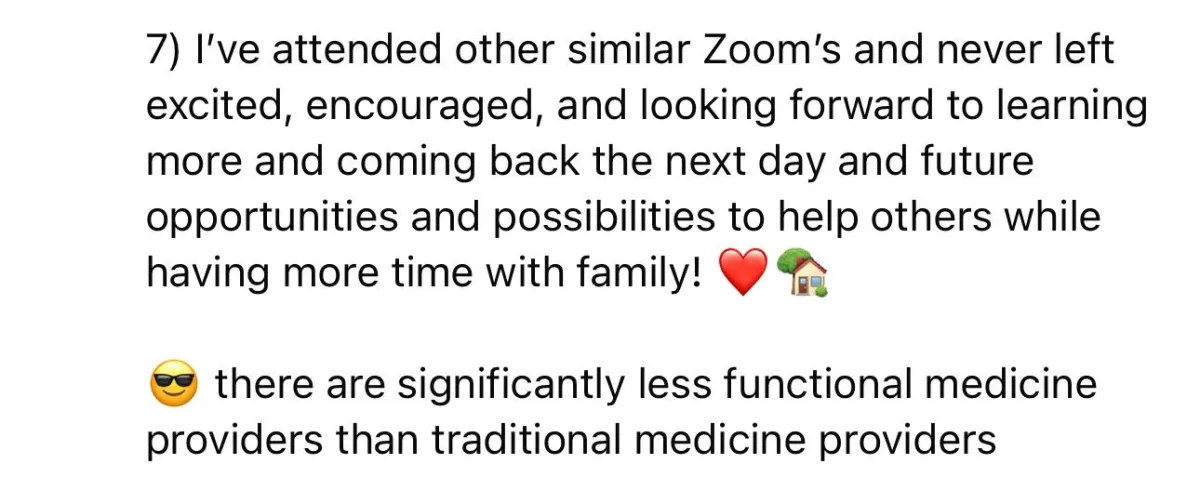

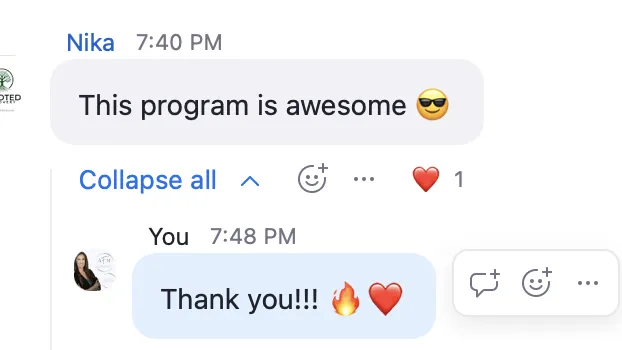
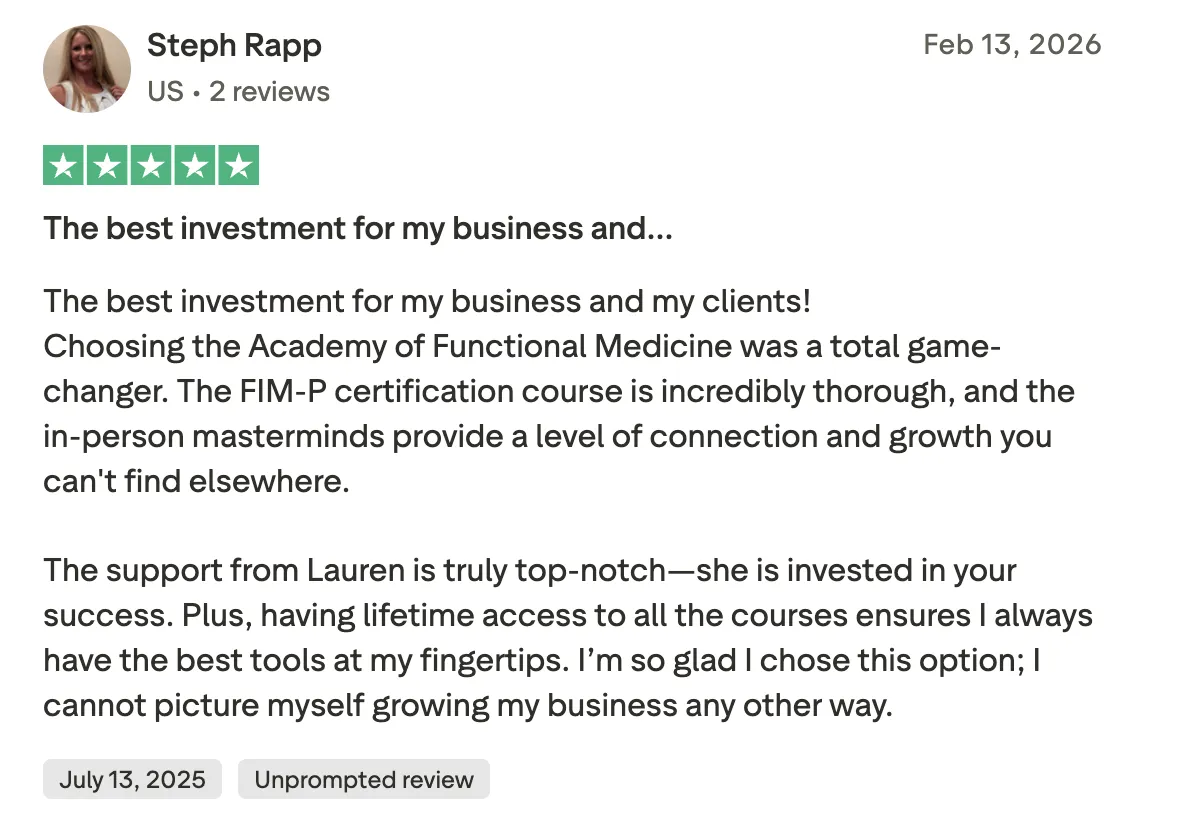
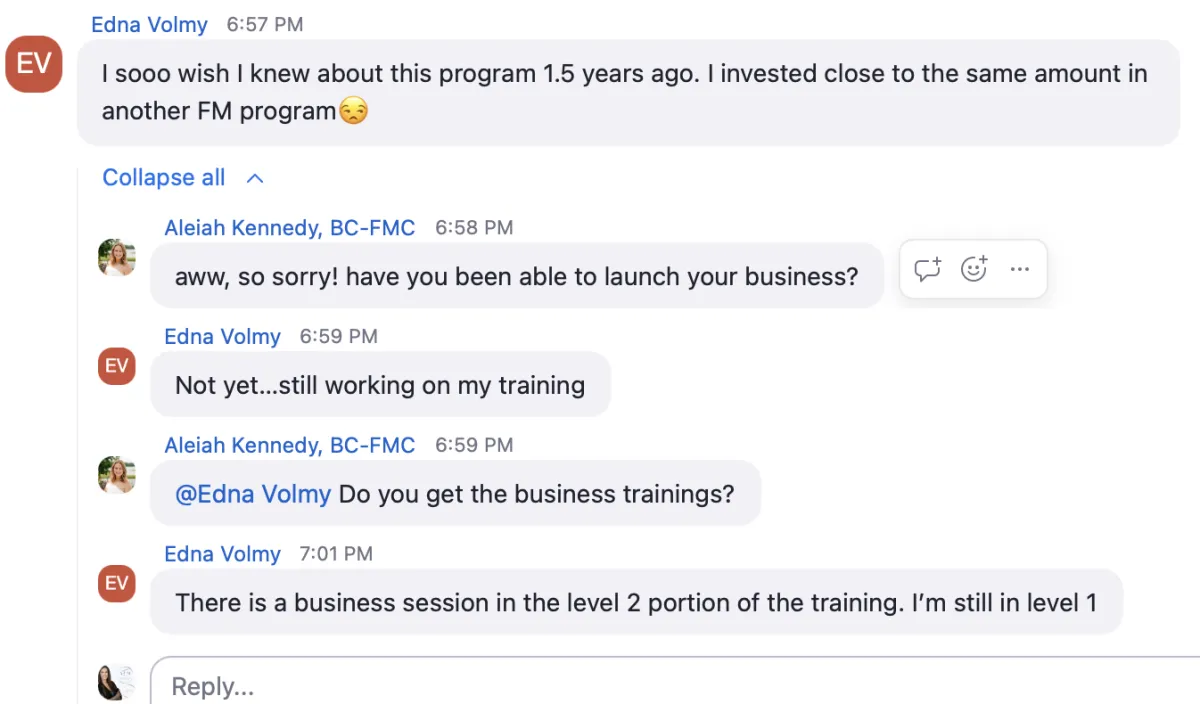
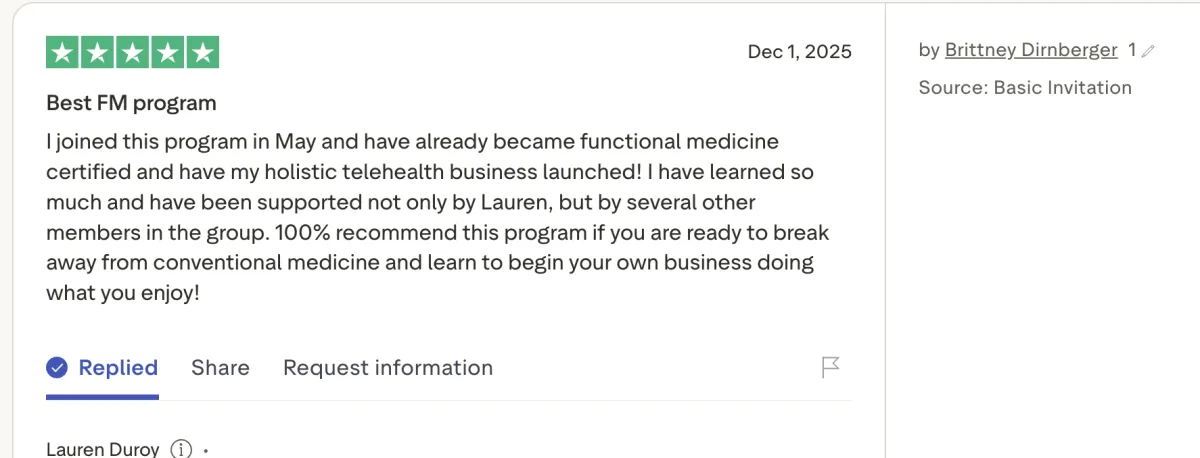
I Made $4,500 from Your Free Training!!
I've done a Lot of Free Trainings And This Is Nothing Like Anything I've Done Before! SO Helpful! Thank you!!
You Made Me Feel Like I Can Do Things I Once Thought Impossible For Me. You Gave Me Such Power!
Free 4-DAY Functional Medicine Course for Nurses & Practitioners
48 CONTACT HOURS COURSE
Are you a registered nurse or practitioner who is looking to incorporate functional medicine into your professional life? If so, this comprehensive continuing education course is the perfect starting point. Here, you will gain an in-depth knowledge of the basics of functional medicine and how it can be applied at any RN level or beyond. With the invaluable foundation that this course provides, nurses and practitioners will come away with a greater understanding on how to implement practical approaches within their scope of practice - allowing them to move forward confidently!
By putting these practices into place, you can revolutionize and even save lives of patients and clients.
Get Up To Date On The Latest News In Functional Medicine
(read the blog here):
Autoimmune Disease
“At the end of the day, it is important to remember that the decision of which approach to take when treating autoimmune diseases is a personal one..” - Lauren Duroy, DNP, APRN, FIM-P

Understanding Autoimmune Diseases: Causes and a Functional Approach to Treatment
Introduction
Autoimmune diseases are a complex group of disorders that arise from an overactive immune response, where the body's immune system mistakenly attacks its own tissues. These diseases can affect various organs and systems, leading to chronic inflammation and significant health challenges. In this blog, we will explore the causes of autoimmune diseases and outline a treatment plan from the perspective of a functional practitioner.
Causes of Autoimmune Diseases
While the exact causes of autoimmune diseases remain elusive, researchers believe they arise from a combination of genetic predisposition and environmental triggers. Here are some common factors that contribute to the development of autoimmune diseases:
1. Genetic Factors:
Certain genes can increase an individual's susceptibility to autoimmune diseases. However, genetic predisposition alone is not sufficient to cause autoimmunity; environmental triggers often play a significant role.
2. Environmental Triggers:
Various environmental factors can initiate or exacerbate autoimmune responses. These triggers may include infections (viral, bacterial, or fungal), chronic stress, hormonal imbalances, toxic exposures (such as heavy metals or chemicals), and dietary factors (such as gluten or certain food additives).
3. Leaky Gut Syndrome:
The integrity of the gut barrier is crucial for overall health, including immune function. Leaky gut, also known as intestinal permeability, occurs when the tight junctions in the intestinal lining become compromised, allowing toxins, undigested food particles, and bacteria to leak into the bloodstream. This can trigger an immune response and contribute to the development of autoimmune diseases.
4. Dysregulated Immune System:
Imbalances in the immune system, such as an overactive Th1 or Th17 response and a suppressed regulatory T cell function, can lead to the development of autoimmune diseases.
Functional Approach to Treatment
Functional practitioners take a comprehensive approach to address the root causes of autoimmune diseases rather than merely managing symptoms. Here is an overview of a functional treatment plan:
1. Comprehensive Assessment:
A thorough evaluation of the patient's medical history, lifestyle factors, environmental exposures, and genetic predisposition is conducted. This assessment aims to identify potential triggers and underlying imbalances contributing to the autoimmune response.
2. Healing the Gut:
Restoring the integrity of the gut barrier is essential. This involves removing inflammatory foods (such as gluten, dairy, and processed foods) from the diet and incorporating nutrient-dense, anti-inflammatory foods. Additionally, specific supplements, such as probiotics, digestive enzymes, and gut-healing nutrients like L-glutamine and zinc, may be recommended.
3. Balancing the Immune System:
Addressing immune imbalances is a key aspect of treatment. This may involve reducing chronic inflammation through dietary interventions, lifestyle modifications (e.g., stress management techniques), and targeted supplementation. Immune-modulating herbs and nutrients, such as curcumin, resveratrol, vitamin D, and omega-3 fatty acids, may also be recommended.
4. Identifying and Managing Triggers:
Identifying and addressing environmental triggers is crucial in managing autoimmune diseases. This may involve testing for food sensitivities, assessing toxin exposures, and evaluating hormonal imbalances. Once identified, appropriate strategies can be implemented to minimize exposure and support the body's detoxification processes.
5. Stress Management and Lifestyle Interventions:
Chronic stress can contribute to immune dysregulation. Functional practitioners emphasize stress management techniques, such as mindfulness, meditation, and adequate sleep, to support overall well-being and immune balance. Regular physical activity and optimizing vitamin and mineral status also play a vital role in maintaining a healthy immune system.
6. Collaborative Care:
Functional practitioners often work collaboratively with other healthcare providers, such as nutritionists, psychologists, and physical therapists, to provide a comprehensive treatment approach. This interdisciplinary approach ensures that all aspects of the patient's
Conclusion:
The conclusion we can draw from this comparison of functional medicine and conventional medicine in terms of autoimmune treatment is that there is a stark difference between the two. Functional medicine takes a holistic approach to treating autoimmune diseases, focusing on reversing the underlying causes and restoring balance to the body. This is in stark contrast to conventional medicine, which focuses more on managing symptoms and suppressing the autoimmune response.
At the end of the day, it is important to remember that the decision of which approach to take when treating autoimmune diseases is a personal one. It is important to consult with a doctor who is knowledgeable in both approaches, so that you can make an informed decision based on your own unique circumstances. With the right treatment, autoimmune diseases can be reversed and managed effectively.
Autoimmune diseases can be difficult to manage, but functional medicine offers a unique approach to their treatment. Unlike conventional medicine, which focuses on symptom management, functional medicine seeks to identify and address the underlying causes of autoimmune disease. This approach often involves lifestyle changes such as dietary modifications, stress reduction, and exercise, as well as natural supplements and therapies. By addressing the root causes of autoimmune disease, functional medicine can help to reverse the condition and restore the body to health. With this approach, patients are able to find relief from their symptoms and lead healthier, happier lives.
If you are suffering from an autoimmune disease, it is important to seek out a qualified functional medicine practitioner who can help you develop a treatment plan tailored to your individual needs. By taking a holistic approach to your health, you can find relief from your symptoms and achieve a higher quality of life.
Other resources to help you get started with blogging
Resources:
"The Autoimmune Solution" by Amy Myers, MD Website: https://www.amymyersmd.com/the-autoimmune-solution/
"The Wahls Protocol: A Radical New Way to Treat All Chronic Autoimmune Conditions Using Paleo Principles" by Terry Wahls, MD Website: https://terrywahls.com/the-wahls-protocol/
Institute for Functional Medicine (IFM) Website: https://www.ifm.org/ The IFM offers resources, courses, and educational materials on functional medicine, including autoimmune diseases.
"Autoimmune Wellness" by Mickey Trescott, NTP, and Angie Alt, NTC, CHC Website: https://autoimmunewellness.com/ This website provides information, recipes, and resources for individuals with autoimmune diseases.
PubMed Website: https://pubmed.ncbi.nlm.nih.gov/ PubMed is a database of scientific articles that can be searched for specific research studies and clinical trials related to autoimmune diseases and functional medicine approaches.
Functional Medicine For Nurses & Practitioners Overview

What is Functional Medicine?
Functional Medicine is an evolutionary and research-based field of study for healthcare providers, like nurses. It takes a personalized upstream approach to address the whole person rather than just one underlying disease. To ensure optimal wellness, this practice investigates all variables that could be impacting health - from genetics and environmental exposures to lifestyle patterns.
About Functional Medicine for Nurses & Practitioners
This dynamic course offers a complete introduction to functional medicine, allowing nursing professionals to quickly and efficiently incorporate what they learn into their existing practices without having to invest excessive amounts of time or money in lengthy study programs. Through this program you will gain not only an in-depth understanding of the principles and interventions used in functional medicine but also how these can be applied practically as part of your role as a nurse with expertise in the field – giving you limitless potential for providing exceptional care.

Frequently Asked Questions
Are there any hidden costs/fees associated with AFM?
No.
Does the course provide Contact Hours?
Yes, 48 CEUs/contact hours.
How long does the Program take to complete?
This program consists of 48 contact hours, keeping busy practitioners in mind.
You should anticipate dedicating 1-2 hours a week to your studies, depending on how quickly you would like to finish the course. It is self-directed. Each module will clearly detail weekly expectations for implementing into your current practice; however, no attendance at specified times is necessary.
Your open-book final exam period spans 72 hours with an option to retake it if you don't pass on the first try!
Are there any specialty certifications available?
YES!
Our programs offer several professional recognitions and board certification pathways, depending on your background and scope of practice. These certifications are designed to validate your training in root-cause, functional medicine approaches while allowing practitioners from different disciplines to participate.
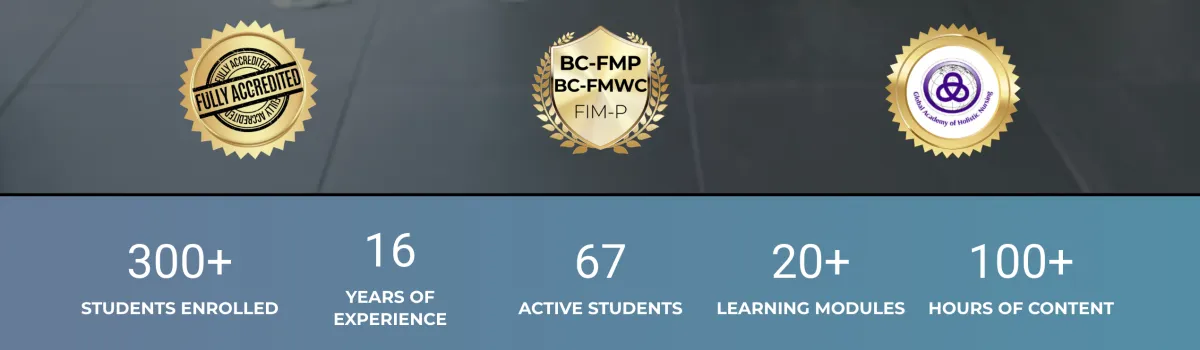
Functional Integrative Medical Practitioner (FIM-P)
All graduates who have a nursing/medical background who complete the training and pass the exam earn the FIM-P designation.
FIM-P stands for Functional Integrative Medical Practitioner, which recognizes that you have completed advanced training in functional medicine principles, root-cause investigation, and integrative treatment strategies. This designation reflects competency in applying functional medicine frameworks to clinical practice or coaching environments.
Board Certified Functional Medicine Practitioner (BC-FMP)
Licensed medical professionals may also qualify for BC-FMP recognition.
This board certification is available to practitioners such as:
MDs
DOs
Nurse Practitioners
Physician Assistants
NDs
Chiropractors
Other licensed healthcare professionals
After completing the program and meeting eligibility requirements based on your medical background, you may apply for BC-FMP recognition, which demonstrates advanced competency in functional medicine clinical practice.
Functional Medicine Wellness Coach BC-FMWC (For Coaches & Holistic Professionals)
For individuals who are not licensed medical providers—such as:
Health coaches
Holistic wellness professionals
Why These Certifications Matter
These recognitions allow practitioners to:
Demonstrate formal training in functional medicine
Build credibility with clients and patients
Integrate root-cause approaches into their work
Expand professional opportunities within the growing functional medicine field
Because functional medicine is rapidly expanding, these certifications help practitioners position themselves within a high-demand healthcare model focused on addressing the root causes of chronic illness rather than simply managing symptoms.
What can you expect from the Functional Medicine classes?
This course will be comprised of on-demand training modules, reading assignments, asynchronous discussions, case studies, and a final exam. The final exam is timed yet open book so you can ace it at your own pace.
Upon successfully completing the program, what possibilities may I unlock with this newfound understanding?
This program equips you with a thorough understanding of functional medicine.
You will learn how to use powerful functional medicine interventions. Upon completion, you will be able to apply functional medicine practices in any healthcare setting and may choose to work as a functional medicine nurse, coach, consultant, entrepreneur, or within your bedside nursing or very own clinical practice.
What are some of the reasons why you become a Functional Medicine Practitioner?
• This course provides graduates with the resources and education to seamlessly incorporate intervention into their current practice, bypassing the time-intensive and expensive two-year programs.
• This groundbreaking course is the perfect addition to any medical practice goals. You'll gain invaluable knowledge and guidance here that will enhance your expertise and coaching abilities beyond compare.
• To gain a better understanding of how the assessment tools and clinical interventions work in real-world scenarios, this course will feature numerous case studies that demonstrate their effect on patient outcomes.
• This course is taught by a knowledgeable functional medicine practitioner/DNP who actively applies the teachings in her own practice.
Functional Medicine for Nurses, Doctors, Coaches, & Practitioners:
A Comprehensive Course
At AFM, we offer a comprehensive and interactive course about Functional Medicine for Nurses & Practitioners. This program is designed to equip you with the necessary knowledge and skills needed to work in this field as well as in a conventional healthcare setting.
The course focuses on teaching evidence-based techniques alongside clinical application so you can gain an understanding of how to both diagnose and treat Functional Medicine conditions.
Unlike other programs available in the market today, this program puts a special emphasis on clinical implementation of skills through case studies and real-world scenarios. By learning through real-world examples, you will be able to apply the Functional Medicine principles in any healthcare setting and specialize in a niche of your choice.
At the end of this course, you’ll have an understanding of how to use powerful Functional Medicine interventions that are also nursing interventions in your current work setting as a registered nurse (RN) or advanced practice nurse (APN). You’ll be prepared to effectively promote wellness and heal patients using the principles of Functional Medicine.
Course Modules
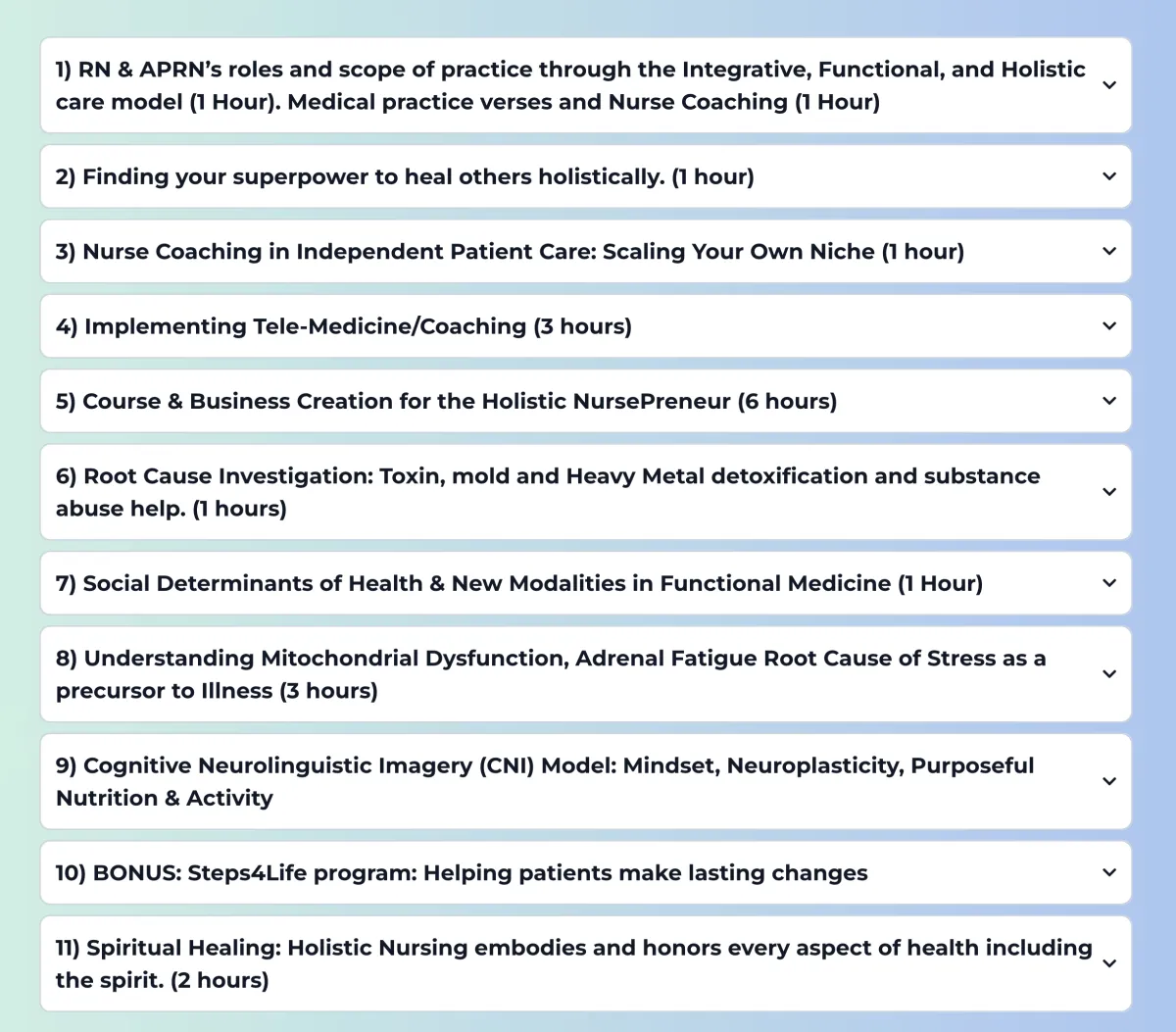
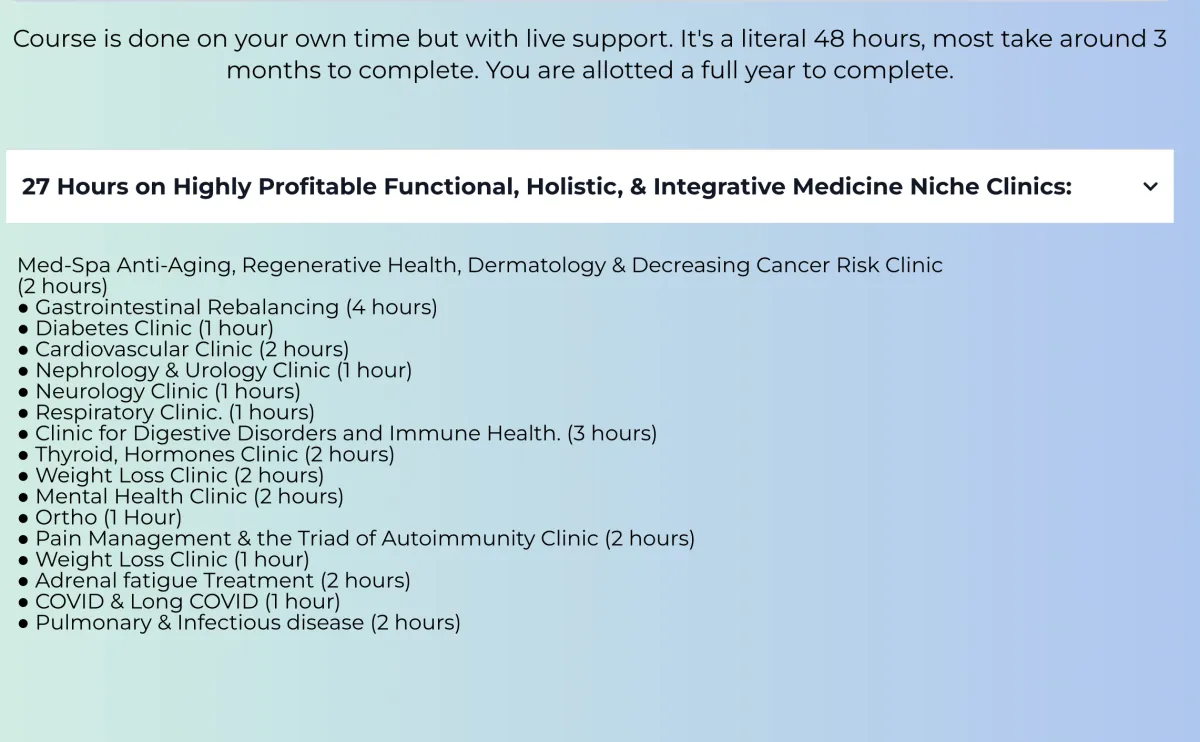
Niche Specific Modules
What Is Functional Medicine?
When people first hear about functional medicine, they often have two big questions in the back of their mind:
“Is this actually legitimate medicine?”
“Are people really looking for this, or is it just a niche trend?”
Both of those concerns are understandable, especially if you come from a traditional healthcare background. But once you see what’s happening with patients right now, the demand becomes very clear.
Functional medicine works by combining medical knowledge with a deeper investigation into why illness develops in the first place.
It focuses on restoring balance within the body’s systems and empowering patients to participate in their own healing process.
How Does Functional Medicine Work?
Patients Are Actively Searching for Something Different
Today’s patients are overwhelmed being moved through the healthcare system quickly, with very little time to talk about what’s actually happening in their bodies.
Appointments are short, treatment often focuses on symptom management, and people frequently leave with additional prescriptions rather than a clear path toward healing.
Many are asking questions like:
“Is there a way to actually fix this?”
“Why did this happen in the first place?”
“Can I reduce some of these medications if the underlying problem improves?”
Because of this, more and more people are actively seeking practitioners who will look deeper, spend time with them, and help them understand what is driving their health issues.
That is exactly where functional medicine fits in.
Functional medicine is a root-cause, patient-centered approach to healthcare. Instead of only asking “What drug treats this diagnosis?”, it asks:
What caused this imbalance in the first place?
Practitioners evaluate how the body’s systems interact—things like:
gut health
hormones
inflammation
detoxification pathways
nutrient deficiencies
stress and nervous system regulation
When those systems are out of balance, symptoms develop. Functional medicine focuses on identifying those imbalances and supporting the body so it can restore normal function.
Why Practitioners Find It More Rewarding
Many clinicians enter healthcare because they genuinely want to help people heal. Over time, however, the realities of insurance models, short visits, and heavy documentation can make it difficult to practice in the way they originally envisioned.
Why Demand Is Growing
The demand for this type of care is growing quickly for several reasons:
Chronic disease rates continue to rise.
Patients want more personalized healthcare.
Many people want strategies that address lifestyle, nutrition, and root causes.
Patients are increasingly willing to invest in their health when they feel heard and supported.
Why Should You Consider Functional Medicine?
For those interested in achieving true wellness that takes into account factors such as genetics, environment, lifestyle etc. functional medicine provides an excellent option for understanding our own unique bioindividuality while also offering long-term benefits for those suffering from chronic conditions or illnesses not typically addressed within traditional settings.
Furthermore, many patients find themselves feeling heard when discussing their concerns with practitioners trained in this field since they're generally sympathetic towards individualized approaches when compared with one-size-fits-all solutions seen elsewhere.
Lastly, because functional medicine utilizes sophisticated diagnostic tools alongside personalized treatments tailored specifically towards each patient's particular needs they often experience rapid relief from symptoms compared with other forms of conventional care making it an ideal choice for anyone looking for fast yet lasting results.
Reach New Heights with Your
Nurse Business & Make an
Unforgettable Impact!
Weekly Live Business Coaching & Marketing For Functional Medicine Practitioners & Start-Ups
At the Academy of Functional Medicine, our mission is to provide nurses and practitioners with the resources they need to create a successful and sustainable business. We believe that when you have access to the right resources and support, you can take your business to new heights and make an unforgettable impact in your community.
Our experienced business coaches provide personalized one-on-one sessions to help you develop your business. Through our coaching strategies, we will help you create a strategic marketing plan and launch successful campaigns tailored to your individual needs. Our coaches have developed plans for nurses and can also provide advice on how to best maximize resources for the most effective results. We can also help you to understand the legal implications of running a nurse business, as well as how to manage finances and make sure your business is compliant with all relevant regulations.
Our coaches have years of experience in nursing, marketing, and entrepreneurship. They are passionate about helping nurses reach their goals. Together we will establish achievable objectives and outline a plan of action to make sure you succeed.
Contact us today to learn more about our services or schedule an appointment with one of our coaches. We look forward to working with you
You are in the right place.
We believe every nurse and practitioner should have access to the resources they need to create a successful business, and at the Institute for Functional Nurses, we provide just that. Our experienced coaches will work with you to help you develop your nurse business and reach new heights.
What is business coaching?
Business coaching is a process in which we help you develop your nurse business by providing personalized one-on-one sessions. We will help you create a strategic marketing plan and launch successful campaigns tailored to your individual needs. Our coaches have developed plans for nurses, so no matter what level you are at, we can help.
Book an appointment today and get started on your journey to success!
Business is about creating value and improving lives. When you focus on serving others, success will naturally follow!
Starting a nurse business is not all about making money; it’s about recognizing and solving problems. A nurse who starts a business is a nurse with a vision, an ambition, and the drive to make their dream come true. To start and run a successful business, you need to be around the right people and have access to the right information.
You're not alone in this journey.
Achieving success requires more than just enthusiasm — you need guidance, resources, and support from experts in the field. You need connections that can help provide insight into the business side of nursing. Meeting other nurses who have started their own businesses can also be beneficial, as they can share valuable experiences that could help you avoid potential pitfalls.
Get the latest insights on running a successful nursing business
Having the correct knowledge will enable your vision and dreams to come alive. When establishing your business plan or setting goals for yourself, understanding the latest industry trends is imperative. It’s important to use credible sources when researching for topics related to running your own nursing business — accurate information is essential for long-term success.
You can do this!
Running a successful nurse business isn't easy, but it is achievable with dedication and hard work. Having strong relationships with supportive people who understand what you're trying to achieve will give you an invaluable edge as you continue on your journey towards building a successful career in nursing. With these pieces in place — problem solving skills, an incredible network of mentors and colleagues, reliable resources — there's nothing that can stop you from achieving success.
Our 3-Part Framework is designed specifically to help you reach your full potential with a customized program that will support and encourage you every step of the way.
Unlocking success in business and helping the nursing community achieve their dreams, I have taken an entrepreneurial leap of faith by investing my resources into mentors. My experience has taught me that these three elements are essential for awe-inspiring transformation:

COURSES
Our courses cover a wide range of topics, and each one is designed to help you reach your business goals. From marketing and operations to leadership and finance, our courses provide the guidance and structure you need to succeed in nursing.
COACHING
We offer individualized coaching sessions tailored to your specific needs so that we can create a plan that works for you. Our experienced coaches will work with you to help you develop your nurse business and reach new heights.
COMMUNITY
In our community, we offer exclusive access to resources and mentors from the industry’s top minds. With a network of nurses, you can learn from each other, collaborate on projects, build relationships and share experiences.
Take the next step towards achieving your business goals by joining us at the Institute for
Functional Nurses. With our 3-Part Framework and expert guidance, you’ll be well on your way
to turning your vision into reality!
Sign up today and let’s get started!
© 2026 Academy of Functional Medicine & Institute for Functional Nurses. All Rights Reserved.